CBD Softgels
 CBD Gummies
 CBD Cream
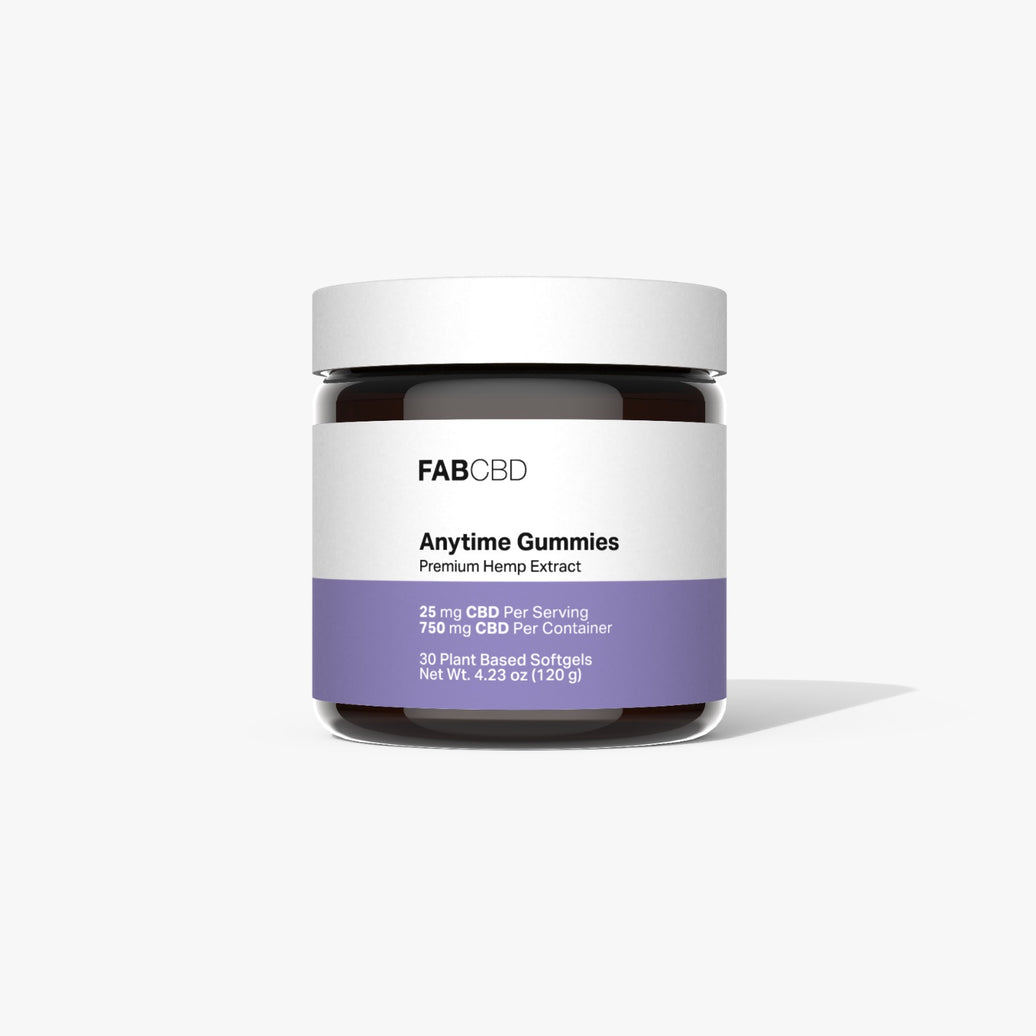
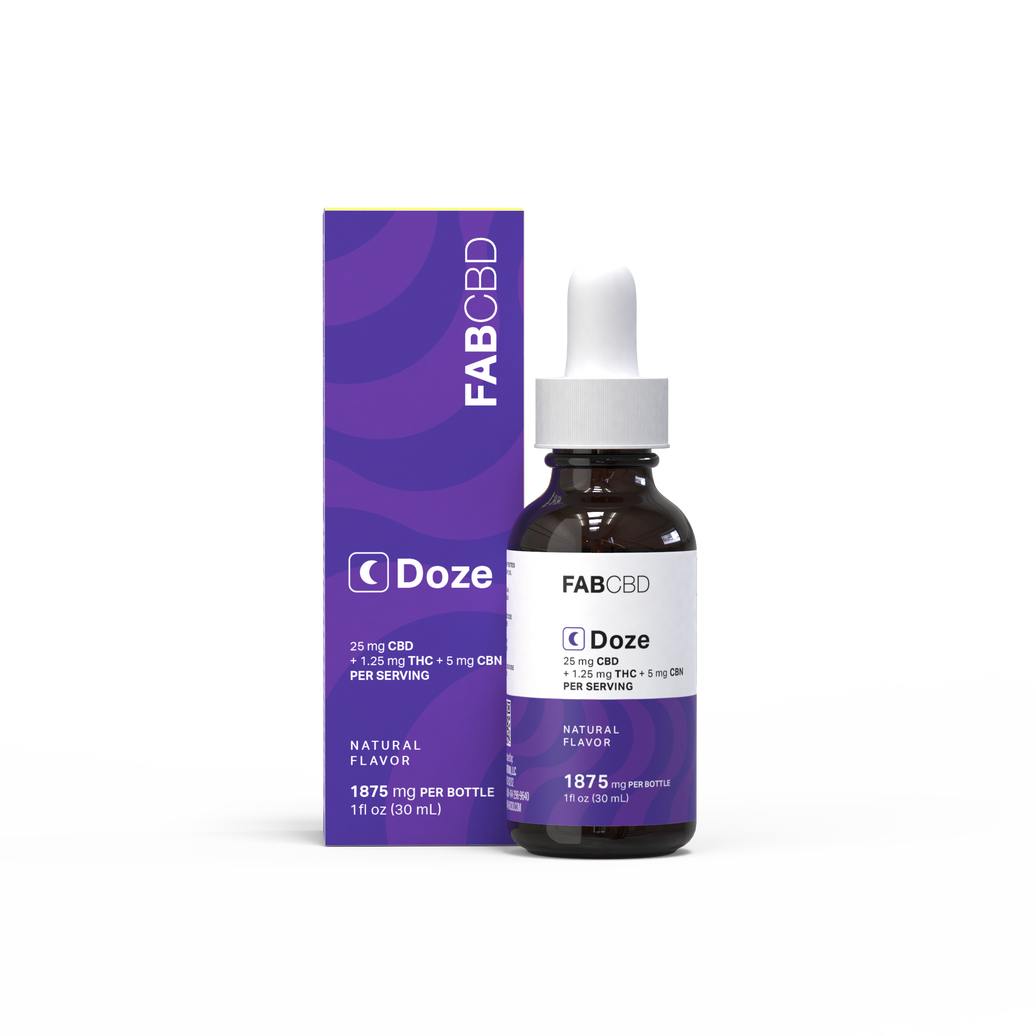
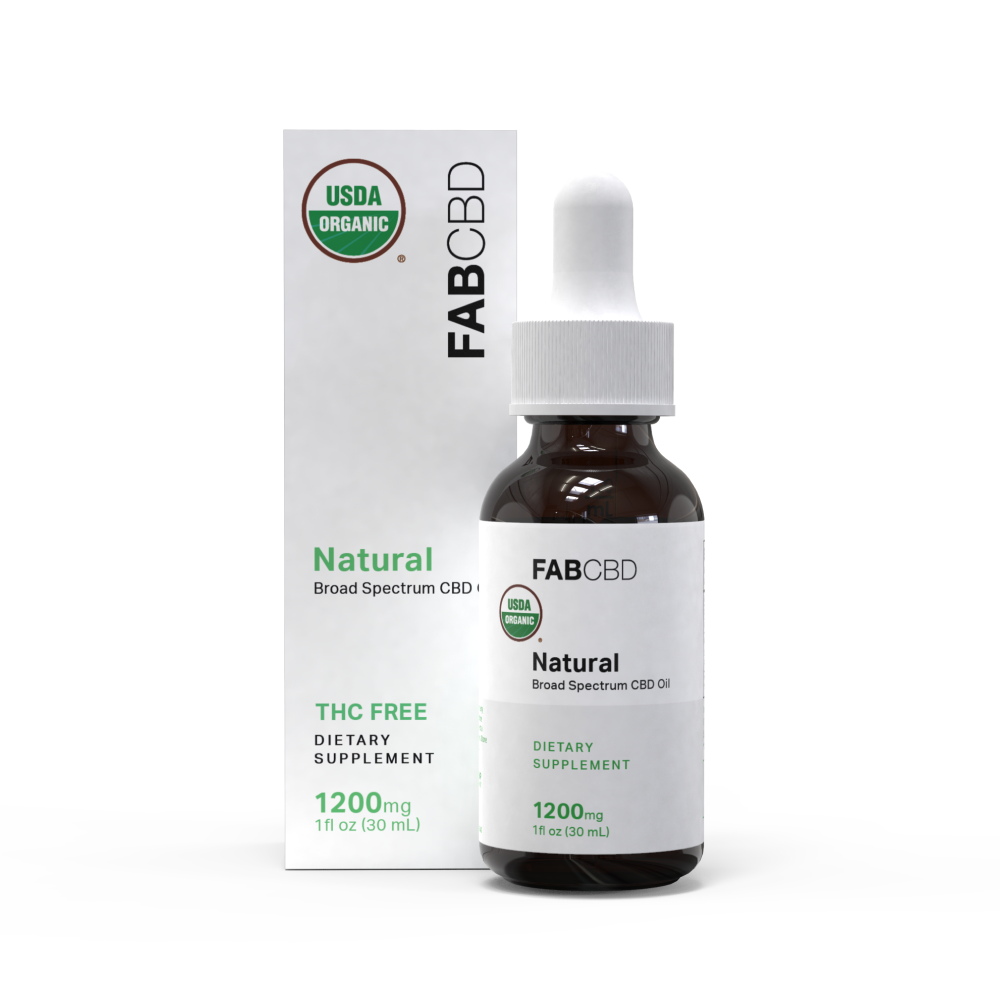
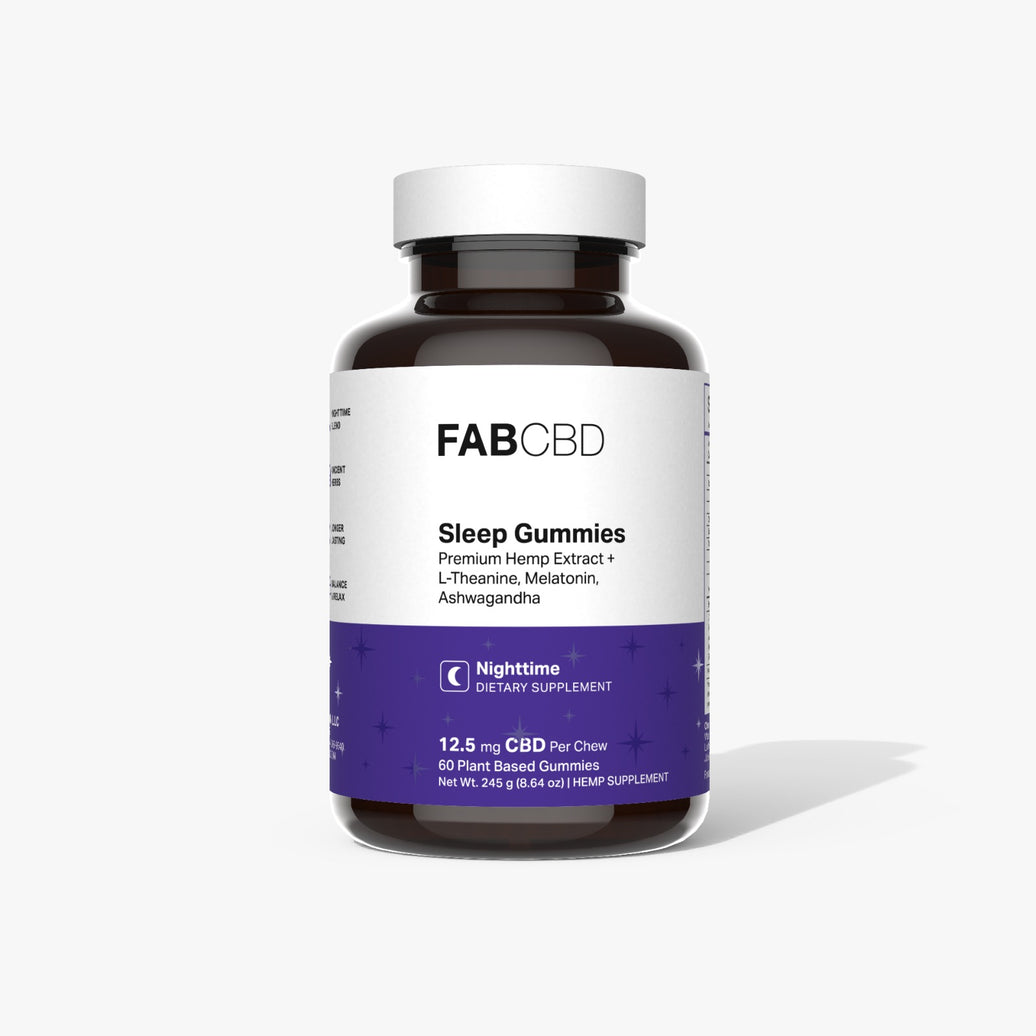
CBD and CBG are both cannabinoids found naturally in hemp. CBD (cannabidiol) is the most abundant and the most researched. CBG (cannabigerol) forms first in the plant, then converts into CBD, THC, and other cannabinoids as the plant matures. Neither is intoxicating, and each interacts with the endocannabinoid system through different pathways.
Along with THC and CBD, CBG is one of the better-known compounds found in the hemp plant. It wasn't a common name a few years ago, but it's being researched and talked about more often now. If you've been curious about trying CBD, CBG, or a blend of the two, it's worth understanding what sets them apart.
What Is CBD?
CBD is the primary active cannabinoid in hemp, and is present in high concentrations. It's non-intoxicating and widely used as a daily supplement. Rather than binding directly to the CB1 and CB2 receptors in the endocannabinoid system, CBD interacts with them indirectly. It's the foundation of most of our products, from oils to gummies, and it has one of the best-established safety profiles of any cannabinoid on the market.
What Is CBG?
CBG is often called the mother cannabinoid, because it's what the hemp plant produces first. The plant starts by producing CBGA (cannabigerolic acid). As the plant matures, enzymes convert CBGA into the acids that eventually become CBD, THC, CBC, and other cannabinoids. By the time the plant is harvested, most of that CBGA has already converted, which is why only small amounts of CBG remain in the finished plant. That's also why CBG is called a minor cannabinoid: not because it matters less, but because there's simply less of it by harvest time. Like CBD, it's non-intoxicating, and research interest in it is growing.
Where Do CBD and CBG Come From?

Both CBD and CBG are phytocannabinoids that come from the hemp plant, and their story starts with the same precursor. CBGA, or cannabigerolic acid, is the chemical precursor to THC and CBD as well as to CBG itself, and on its own it carries no psychoactive properties. When CBGA is exposed to heat, it converts into CBG, along with CBD, THC, and CBC (cannabichromene). This is why CBG is sometimes called the sister compound of CBD: it's the shared starting material behind several of hemp's better-known cannabinoids.
Research on CBG is still catching up to what we know about CBD, but scientists have a clearer picture of how it interacts with the body. CBD mostly works with the endocannabinoid system indirectly, without binding to receptors in a direct way. CBG appears to interact more directly, binding to both the CB1 and CB2 receptors in the endocannabinoid system.
Key Differences Between CBD and CBG
|
CBD |
CBG |
|
|
Abundance in hemp |
High concentration |
Low concentration (minor cannabinoid) |
|
Research level |
Extensive |
Early stage, growing |
|
Receptor interaction |
Indirect CB1/CB2 |
More direct CB1/CB2 binding |
|
Intoxicating |
No |
No |
|
FABCBD product |
CBD Oil, Gummies, Capsules |
FABCBD CBG Oil (1:1 CBD:CBG), Complete Cannabinoid Softgels |
What Makes CBD and CBG Unique?
CBG is one of the more expensive cannabinoids to extract, and the reason comes down to supply. It can take a large volume of hemp to produce a small amount of CBG isolate, since most hemp plants only contain a small percentage of CBG by the time they're harvested, compared to newer CBD-rich strains that can run 20 percent or higher. If a crop's CBG content sits around 1 percent, extracting the same total amount of CBG as you would CBD from that same crop takes a proportionally larger harvest.
Cultivation adds another layer of difficulty. The longer a cannabis plant stays in the ground, the more its CBGA converts into other cannabinoids like CBD, CBC, CBN, and THC. That leaves growers with a choice: grow larger crops and harvest earlier to capture more CBG, or grow smaller, more CBD-rich crops on a normal timeline. Specialized chromatography equipment is also needed to isolate CBG from the plant's other compounds, which adds further cost to the finished product.
Can You Take CBD and CBG Together?
Yes, and our CBG Oil is built for exactly that, combining CBD and CBG in a 1:1 ratio. The idea behind combining them is the entourage effect: two cannabinoids that engage different receptor pathways, working alongside each other. Combining CBD and CBG is considered safe, with no known adverse interactions between the two. For a fuller breakdown of how the two work together and how to dose a combination oil, see our guide on how CBD and CBG work together.
What Should You Look for in a CBD and CBG Product?
Whether you're shopping for a CBD or a CBG product, a few checks separate a reputable one from a questionable one.
Be wary of unusually cheap oil. Producing a high-quality CBD or CBG oil involves organic farming, CO2 extraction, and specialized equipment throughout the growing, harvesting, and extraction process, and all of that shows up in the price. A brand selling CBD or CBG oil at a price well below the market average is worth a second look.
Read the third-party lab reports and Certificates of Analysis (COAs). A reputable brand tests its products through an independent lab and makes the reports easy to find on its website. These reports confirm potency, cannabinoid profile, and screen for contaminants.
Consider the spectrum type. Full spectrum oils contain the full range of terpenes, phytonutrients, and cannabinoids in hemp, including up to 0.3% THC, the legal limit for hemp-based products in the US. If you're concerned about THC, or subject to regular drug testing, broad spectrum is worth considering instead, since it contains the same components minus the THC.
However, it is not guaranteed that you will pass a drug test after consuming this product. CBD or CBG isolate products go a step further, containing 99% pure CBD or CBG with everything else filtered out.
Final Thoughts on CBD vs CBG
CBD remains the more established, more researched cannabinoid, while CBG is steadily gaining ground as more research comes out. If CBG products are outside your budget for now, a high-quality full spectrum CBD oil is a solid place to start, and you can always add a CBG or combination product later. For the fuller three-way breakdown, including CBC, see our full cannabinoid comparison guide. Whatever you choose, check the lab reports before you buy, and talk to your primary care physician if you have any specific concerns.
Frequently Asked Questions
Is CBG better than CBD?
Not better, just different. CBD has a far larger research base, while CBG works through more direct receptor binding, so they complement each other rather than one replacing the other.
Does CBG get you high?
No. CBG is non-intoxicating and doesn't bind to CB1 receptors the way that produces a psychoactive effect.
What products contain CBG?
Our CBG Oil has a 1:1 ratio of CBD to CBG, and our Complete Cannabinoid Softgels include CBG alongside CBD, CBC, and CBN in equal parts.
*This statement has not been evaluated by the Food and Drug Administration. This product is not intended to diagnose, treat, cure, or prevent any disease.