CBD Softgels
 CBD Gummies
 CBD Cream
CBD and CBC are both non-intoxicating cannabinoids found in the hemp plant. CBD is the most abundant cannabinoid in hemp extracts and the most extensively researched, while CBC is a minor cannabinoid that occurs in much smaller amounts and works through different receptor pathways. Both are non-intoxicating.
What is CBC?

CBC stands for cannabichromene. It is one of the four major cannabinoids in hemp, alongside CBD, CBG, and CBN. CBC is non-intoxicating and will not produce a high.
CBC forms from CBGA, the same precursor compound that produces CBD and THC as the plant matures. Enzymes convert CBGA into different cannabinoid acids, and heat or light then converts those acids into CBC, CBD, or THC.
CBC interacts primarily with the TRPA1 and TRPV1 receptors rather than the CB1 and CB2 receptors associated with CBD. These receptors play a role in sensory signaling throughout the body.
CBC is less well known than CBD for two reasons: hemp plants produce it in smaller concentrations, and researchers have studied it less.
What is CBD?

CBD stands for cannabidiol. It is the most abundant cannabinoid in hemp and the most extensively researched. Like CBC, CBD is non-intoxicating.
CBD interacts indirectly with the body's endocannabinoid system. Rather than binding tightly to CB1 and CB2 receptors, CBD influences them indirectly and also affects the FAAH enzyme, which breaks down the body's own anandamide. CBD also interacts with several non-cannabinoid targets, including serotonin receptors.
Hemp plants naturally produce CBD in far higher concentrations than CBC, which is one reason CBD dominates most hemp extracts.
CBC vs CBD: The Key Differences

CBC and CBD differ in three main ways: concentration, receptor pathways, and research depth.
Concentration. CBD is the dominant cannabinoid in hemp extracts and appears in high amounts. CBC is a minor cannabinoid, present in much smaller amounts in the same plant.
Receptor pathways. CBD works indirectly on CB1 and CB2 receptors without binding them tightly, and it also affects non-cannabinoid targets like the FAAH enzyme and serotonin receptors. CBC takes a more direct route through TRPA1 and TRPV1, receptors involved in sensory signaling rather than the classic endocannabinoid pathway. Neither cannabinoid produces intoxication.
Research status. CBD has an extensive body of research behind it. CBC's research is earlier stage, though interest is growing, particularly in how CBC may support wellness alongside other cannabinoids.* Researchers are still studying how CBC behaves in combination with CBD, CBG, and CBN.
CBD vs CBC vs CBG vs CBN: Side-by-Side Comparison
The table below compares CBD, CBC, CBG, and CBN across concentration, receptor interaction, and research level.
|
CBD |
CBC |
CBG |
CBN |
|
|
Full name |
Cannabidiol |
Cannabichromene |
Cannabigerol |
Cannabinol |
|
Intoxicating? |
No |
No |
No |
No |
|
Concentration in hemp |
High |
Low |
Low |
Very low |
|
Receptor interaction |
Indirect CB1/CB2 |
TRPA1/TRPV1 |
CB1/CB2 partial |
CB1 partial |
|
Research level |
Extensive |
Early stage |
Growing |
Early stage |
|
FABCBD product |
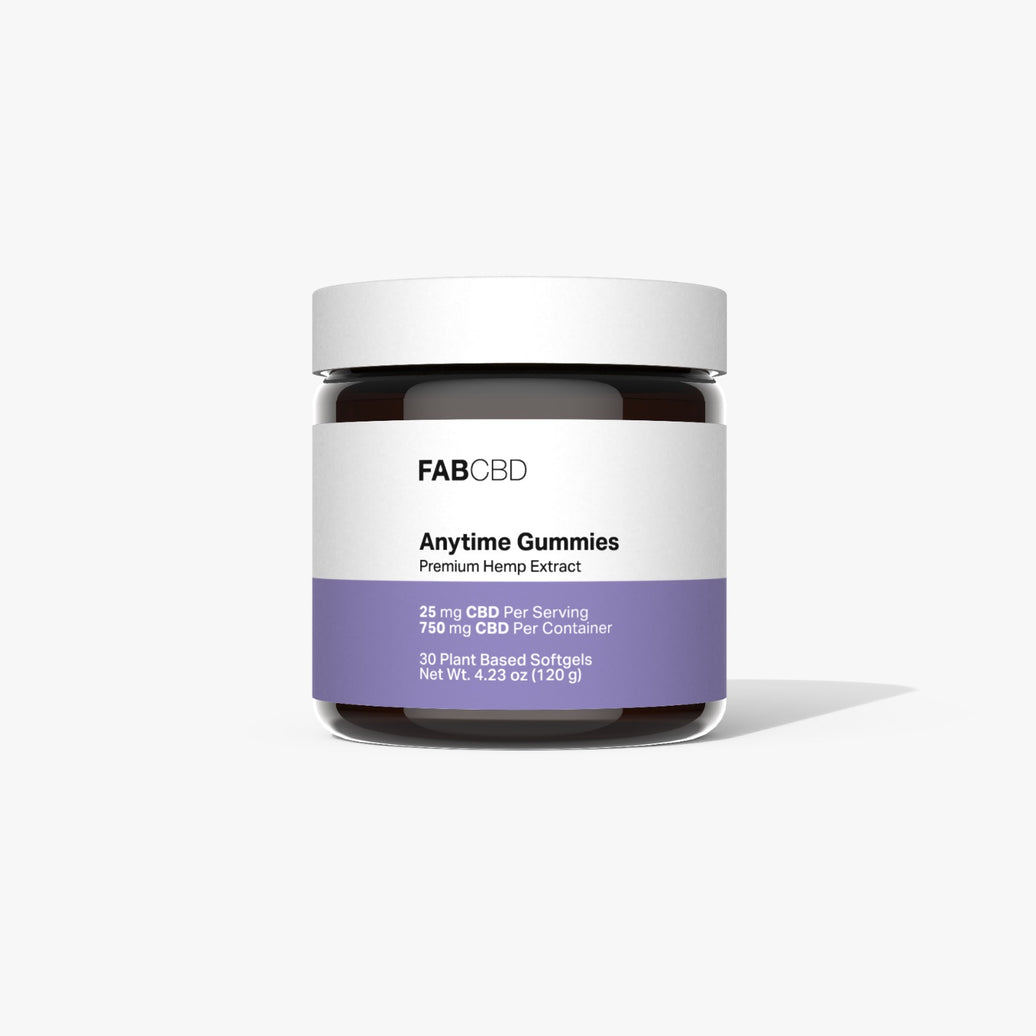
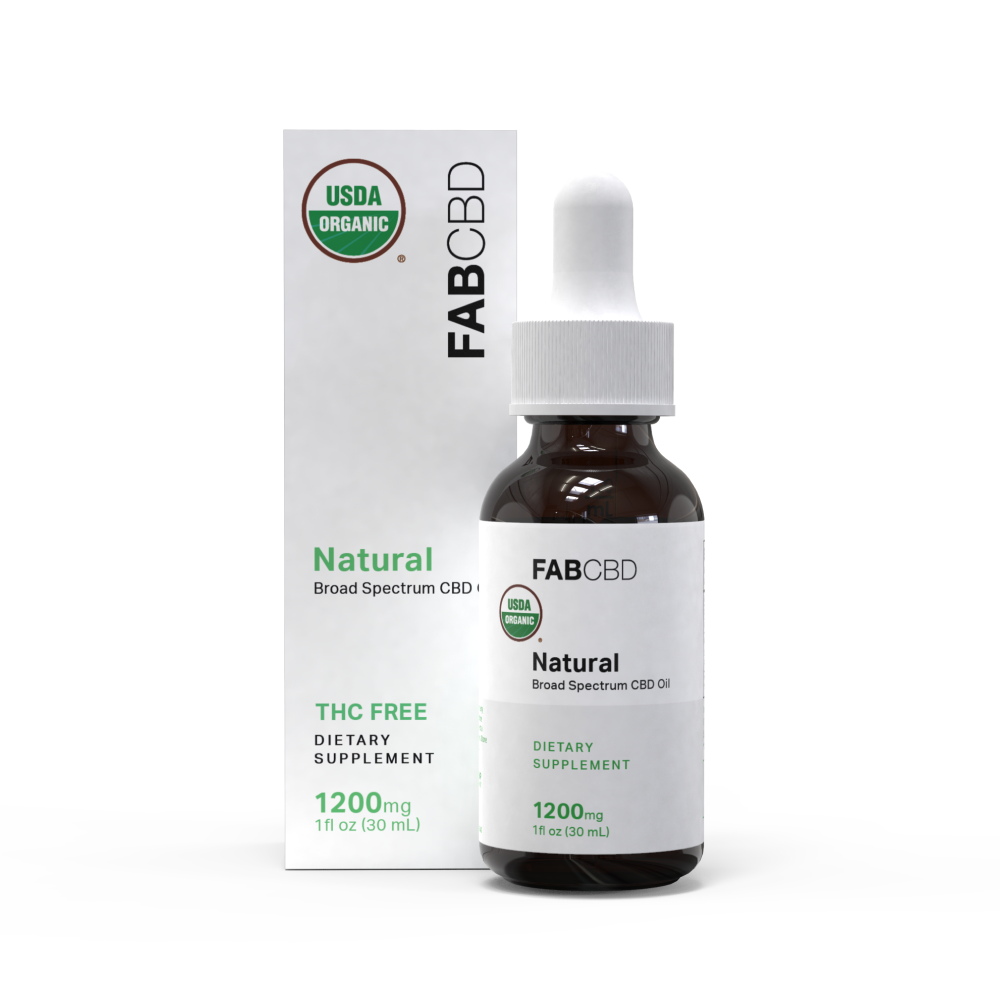
CBD Oil, Anytime Gummies |
Complete Cannabinoid Softgels |
CBG Oil |
Complete Cannabinoid Softgels |
FABCBD's Complete Cannabinoid Softgels combine all four in equal parts, a genuine 1:1:1:1 ratio of CBD, CBG, CBC, and CBN at 3.75 mg each, for 15 mg total per vegan softgel. FABCBD's CBG Oil is another option for exploring minor cannabinoids alongside CBD.
Can You Take CBC and CBD Together?
Yes. CBC and CBD are commonly used together, and many full spectrum hemp extract products contain both naturally.
This pairing is part of what researchers call the entourage effect: the idea that cannabinoids may work better together than any one alone.* Full spectrum hemp extract typically includes CBD, CBC, CBG, CBN, and trace amounts of THC, all present alongside each other.
FABCBD's Complete Cannabinoid Softgels are formulated with equal parts CBD, CBC, CBG, and CBN for anyone who wants all four cannabinoids in one dose. CBC is also available in CBC gel capsules for a more targeted option.
CBD vs CBC: Which Is Better
Neither cannabinoid is universally better. CBD and CBC work through different mechanisms, so comparing potency directly does not make sense.
Isolate products contain only CBD, with no other cannabinoids present. Full and broad spectrum products contain CBD alongside CBC and other cannabinoids, which may offer a broader profile through the entourage effect.* Isolate products also tend to cost less, since they require fewer extraction steps.
The right choice depends on what a person wants: a single, well-researched cannabinoid, or a fuller profile that includes CBC and other minor cannabinoids.
FAQ
What is CBC cannabinoid?
CBC, or cannabichromene, is a non-intoxicating cannabinoid found in hemp. It interacts primarily with TRPA1 and TRPV1 receptors rather than CB1 and CB2, and it occurs in smaller concentrations than CBD.
What is the difference between CBC and CBD?
CBD is the dominant cannabinoid in hemp and is extensively researched, while CBC is a minor cannabinoid with earlier-stage research behind it. CBD works indirectly on CB1 and CB2 receptors, while CBC engages TRPA1 and TRPV1 more directly. Both cannabinoids are non-intoxicating.
Is CBC stronger than CBD?
CBC and CBD are not directly comparable, since they work through different mechanisms on different receptors. Full spectrum products containing both CBD and CBC together may offer a broader cannabinoid profile than either one alone.*
*These statements have not been evaluated by the Food and Drug Administration. This product is not intended to diagnose, treat, cure, or prevent any disease.