CBD Softgels
 CBD Gummies
 CBD Cream
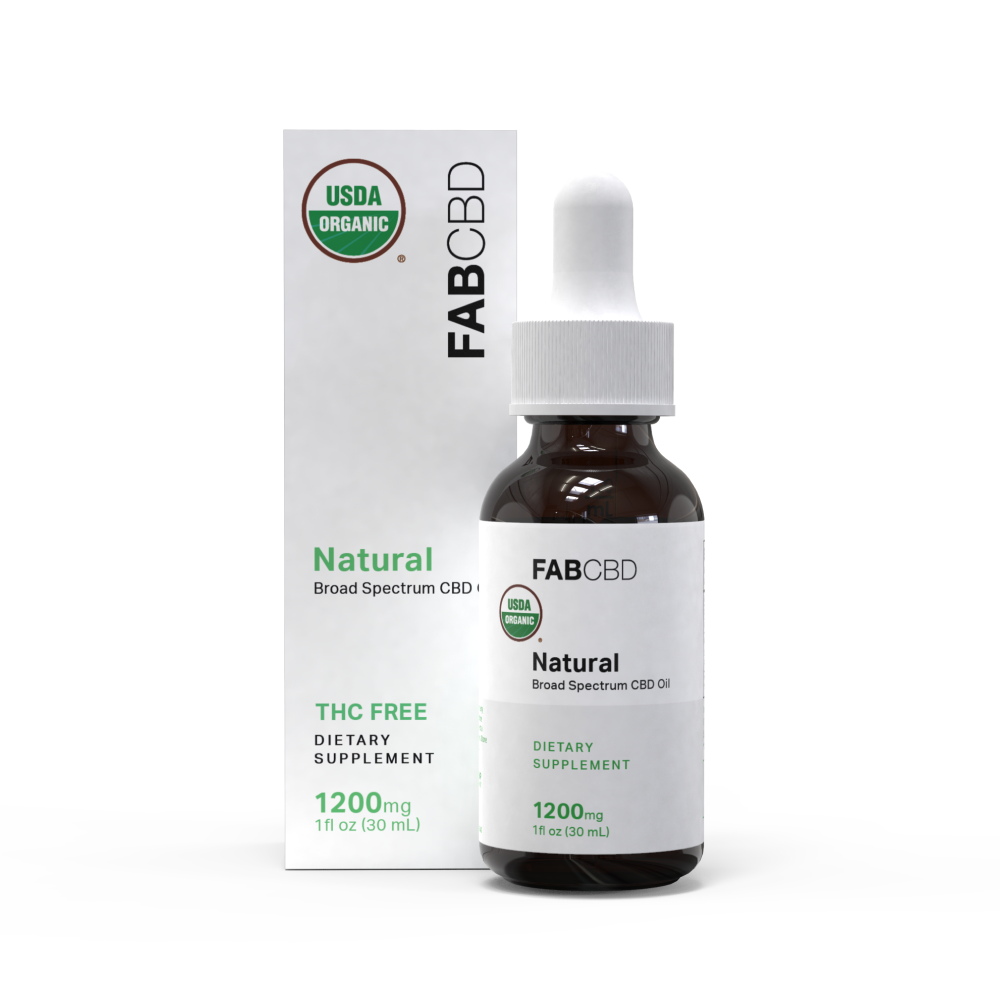
Choose flavored CBD oil if the taste decides whether you’ll take it consistently; choose natural CBD oil if you want the shortest ingredient list or you plan to mix it into food and drinks.
That “hempy” taste is real, and it can be the one thing that makes you stop using your CBD oil after a few days. We keep this choice simple: your taste tolerance, your preference for ingredient lists, and how you take your CBD tincture (sublingual vs. mixing). Once you know those three things, choosing between flavoredand unflavored CBD oil becomes a quick decision, not a stressful one.
What is the difference between flavored CBD oil and natural CBD oil?
The difference is the formula: a base hemp extract + a carrier oil, with or without natural flavoring. When you choose flavored CBD oil, you’re picking the same type of CBD oil (a CBD tincture) with added flavor to make the taste easier to handle. When you choose natural CBD oil (also called unflavored CBD oil), you’re choosing the simplest version, just the core ingredients, with no added flavor.
Here’s a quick way to compare them:
|
Flavored CBD oil |
Natural/unflavored CBD oil |
|
Taste experience: Designed to taste smoother and less “hempy.” |
Taste experience: Earthy, grassy, sometimes bitter. |
|
Ingredient list: Base ingredients + natural flavoring. |
Ingredient list: Often the shortest ingredient list. |
|
Best use case: If taste decides whether you’ll take it daily. |
Best use case: If you want fewer ingredients or plan to mix it into food and drinks. |
Why does natural CBD oil taste “hempy” or bitter?
Natural CBD oil tastes “hempy” because it still contains plant compounds that have strong aromas and flavors. That taste is not “good” or “bad”, it’s just what the hemp plant tastes like when it’s not covered by flavoring.
Which plant compounds drive the taste?
Three main plant compounds shape the taste: terpenes, chlorophyll, and flavonoids. You don’t need to memorize the names, just know what they do to flavor.
- Terpenes (aroma): These are the compounds responsible for scent. They can smell earthy, pine-like, citrusy, or peppery. In a CBD tincture, they often show up as an herbal smell.
- Chlorophyll (green notes): This is the “green plant” taste. If you’ve ever tasted a leafy smoothie and noticed that sharp, grassy vibe, that’s the general direction.
- Flavonoids (bitterness/astringency): These can add a bitter edge or a “dry” feeling on your tongue.
So when someone says unflavored CBD oil tastes “planty,” they’re usually describing a mix of these natural compounds.
Does full-spectrum taste stronger than broad-spectrum or isolate?
Yes, full-spectrum often tastes stronger because it contains more plant compounds than broad-spectrum or CBD isolate. Here’s the simple breakdown:
- Full spectrum: CBD plus other naturally occurring hemp compounds. More compounds usually mean a more noticeable taste.
- Broad spectrum: Similar idea, but with some compounds removed. Taste can still be “hempy,” but often less intense than full spectrum.
- CBD isolate: CBD only. It tends to taste the mildest because it’s the most stripped-down option.
If you’re taste-sensitive, the “more plant compounds present” rule is a useful shortcut.
Is flavored CBD oil “less pure” than natural CBD oil?
Purity does not depend on whether a product has flavor; it depends on transparent ingredients, third-party testing, and clear labeling. A clean label product is one where you can quickly see what’s inside, why it’s there, and how it’s tested.
What “clean label” means in practice
A clean label means you can verify what you’re taking by reading the label and checking the COA (Certificate of Analysis). When you compare flavored CBD oil vs natural CBD oil, look for:
- A clear ingredient list (carrier oil + flavoring if used)
- Third-party lab testing (not “trust us,” but real testing)
- An easy-to-find COA so you can verify the cannabinoid profile
If you’re deciding between two oils, the one with clearer labeling and easier lab access is usually the smarter pick.
How do we keep flavored options simple?
We keep flavored CBD oil simple by using flavor as a taste tool, not as a candy-style add-on. The goal is straightforward: make the daily routine easier to stick with, especially if the natural taste is a dealbreaker for you. That’s why flavor choices should still feel like a normal supplement decision, not a dessert decision.
Which CBD oil option is better for beginners?
For most beginners, the best choice is the one you’ll actually take consistently. If you already know you dislike bitter herbal flavors, starting with flavored CBD oil can make the first week feel a lot more doable.
If taste is your barrier, start flavored
If taste is the reason you might quit, start with a flavor that matches your preferences. Use this quick rule list:
- “I hate bitter herbal flavors” → choose Mint or Berry
- “I want light/bright” → choose Citrus
- “I want smooth” → choose Vanilla
- “I want the simplest ingredient list.” → choose Natural
This isn’t about “stronger” anything. It’s about matching the product to your daily routine.*
How do you choose the best CBD oil flavor for your routine?
Choose your flavor based on how you take your CBD oil and what you mix it with. Your method matters because taste matters more in some methods than others.
Sublingual vs mixing: the flavor that fits the method
Sublingual use makes taste more important, while mixing makes “flavor match” more important. With sublingual use, you hold the CBD tincture under your tongue. That means you taste it directly. When mixing, the oil becomes part of your drink or food, so the best choice is one that blends well.
|
Method |
Best flavor type |
Why it fits |
|
Sublingual |
Flavored CBD oil |
You taste it directly, so the flavor can make daily use easier. |
|
Coffee/tea |
Mint or Vanilla |
These flavors usually blend smoothly into warm drinks. |
|
Smoothies/juices |
Berry or Citrus |
Fruit flavors often mix naturally with fruit-based drinks. |
|
Savory foods |
Natural CBD oil |
Unflavored works better in salad dressings or savory recipes. |
Does the carrier oil affect taste and mouthfeel?
Yes, the carrier oil changes mouthfeel, and MCT oil is commonly used because it tastes mild.* A CBD tincture needs a carrier so the extract can be measured and taken consistently. MCT oil (often derived from coconut) is popular because it’s neutral and doesn’t overpower flavors*. If you’ve tried oils that feel heavy or strongly “nutty,” that’s often a different carrier choice, not the CBD itself.
What should you check on the label before buying flavored or natural CBD oil?
Check the numbers, the spectrum, the ingredient list, and the lab testing before you worry about flavor names. This checklist keeps you focused on what actually matters:
- CBD per serving (mg) and total mg in bottle
- Spectrum type: full spectrum, broad spectrum, or CBD isolate
- Ingredient list: carrier oil + any flavoring
- Third-party lab testing and a visible COA
Quick clarity note: CBD oil is not the same as hemp seed oil. Hemp seed oil is made from hemp seeds and is often used as a cooking oil. CBD oil (a CBD tincture) is made from hemp extract and is the product that contains CBD.
If you choose CBD isolate because you want to avoid THC, remember: even when products are made without THC, however it is not guaranteed that you will pass a drug test after consuming this product.
How do you use CBD oil consistently without overthinking it?
Consistency is easier when you keep your routine simple and repeatable. You don’t need a complicated schedule. Try this:
- Pick a serving size and stick with it for a while
- Take it at the same time daily — for example, with breakfast or during your evening wind-down. Avoid taking it during work hours.
- Store it properly (cool, dark place; cap tight)
If you’re using CBD oil to support wellness*, keeping the method and timing steady is usually more realistic than constantly switching flavors or formats.
FAQ Section
Is flavored CBD oil less effective than natural CBD oil?
No, flavored and natural CBD oil use the same base formula; the only difference is taste and ingredient list. Choose based on your preference, and check the COA and third-party lab testing rather than flavor alone.
What does natural (unflavored) CBD oil taste like?
Natural, unflavored CBD oil often tastes earthy, grassy, and sometimes bitter. That flavor usually comes from terpenes, chlorophyll, and flavonoids.
Which CBD oil flavor is best for beginners?
Mint, Berry, Citrus, and Vanilla are common beginner picks because they can feel easier to take daily. The best option is the flavor you won’t dread.
Does full-spectrum CBD oil taste stronger than broad-spectrum or isolate?
Yes, full-spectrum often tastes stronger because it includes more plant compounds. CBD isolate is usually the mildest.
Can I mix CBD oil into coffee or smoothies, and which flavor works best?
Yes, mixing is an option, and flavor choice depends on what you’re making. Mint/Vanilla often pair with coffee, while Berry/Citrus usually pair well with smoothies; natural CBD oil tends to fit savory recipes best.
*These statements have not been evaluated by the Food and Drug Administration. This product is not intended to diagnose, treat, cure, or prevent any disease.