CBD Softgels
 CBD Gummies
 CBD Cream
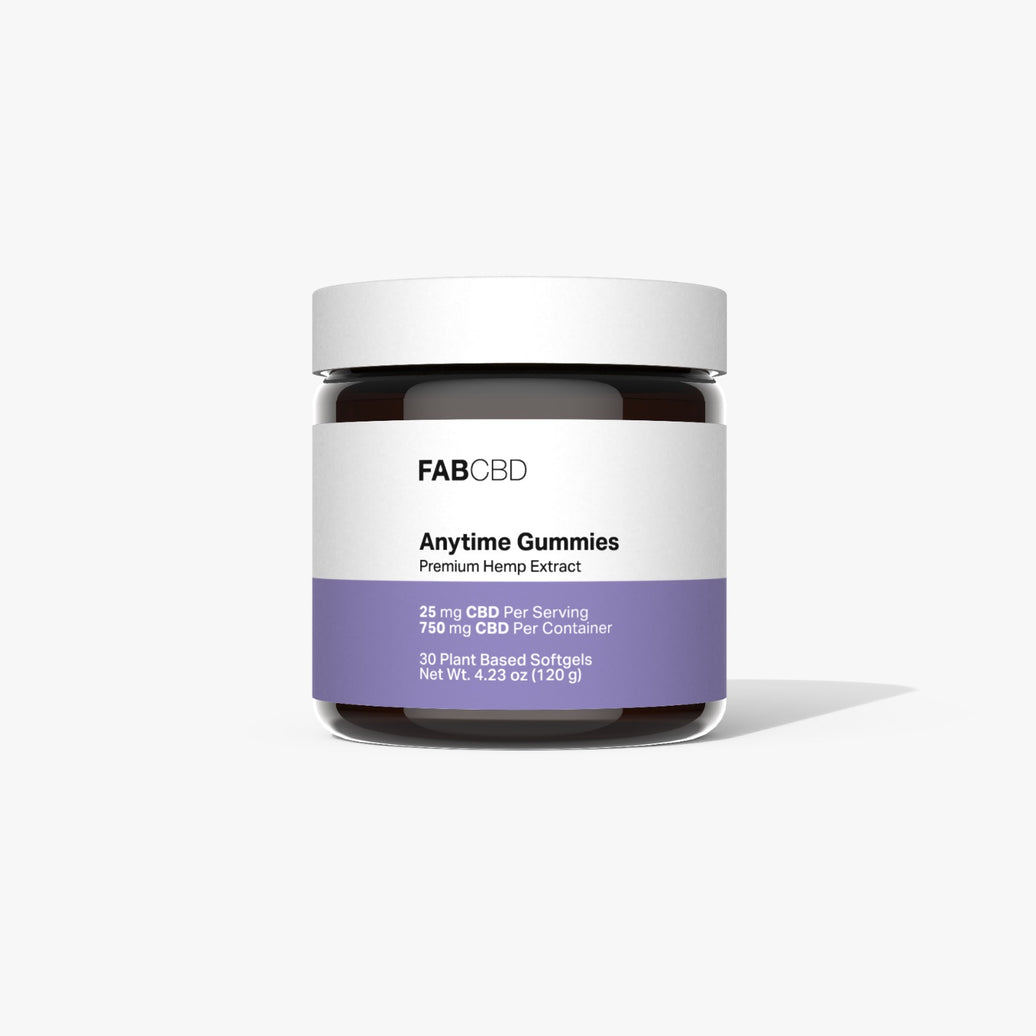
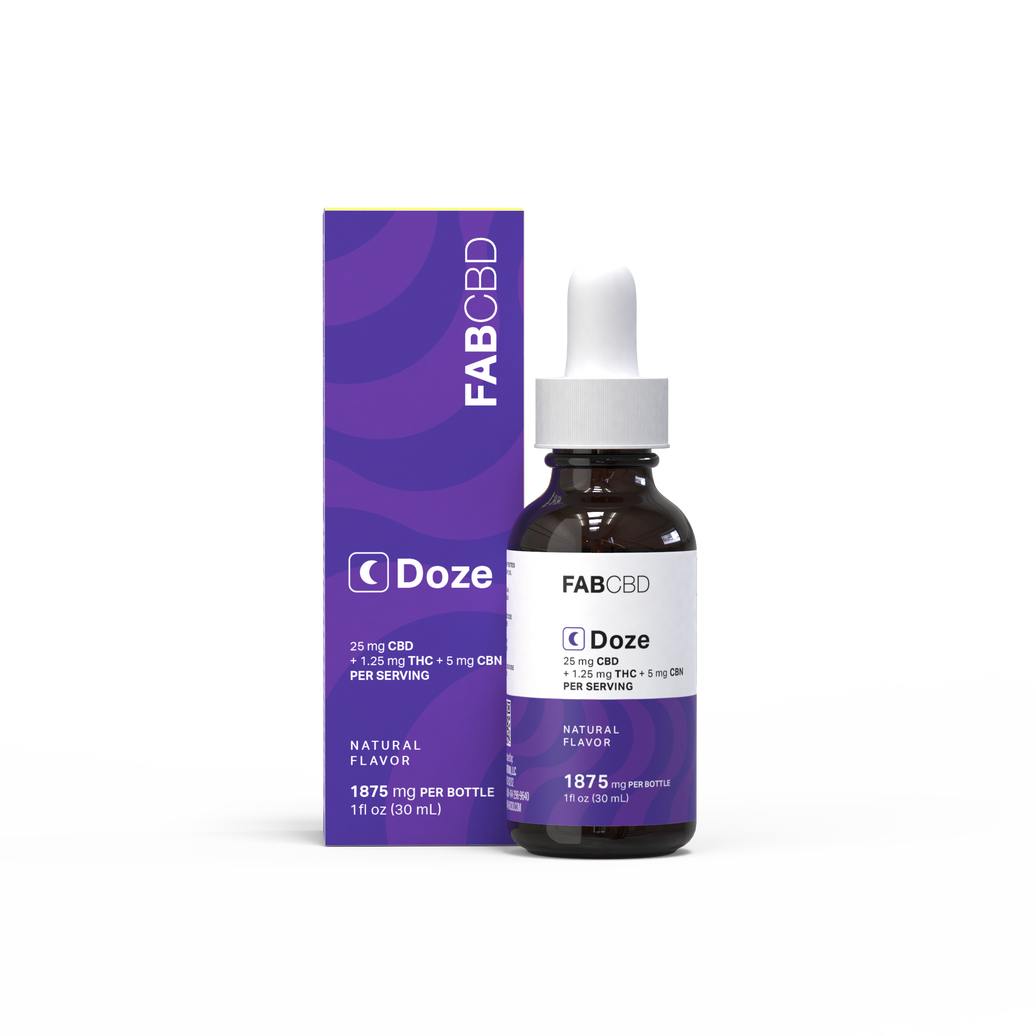
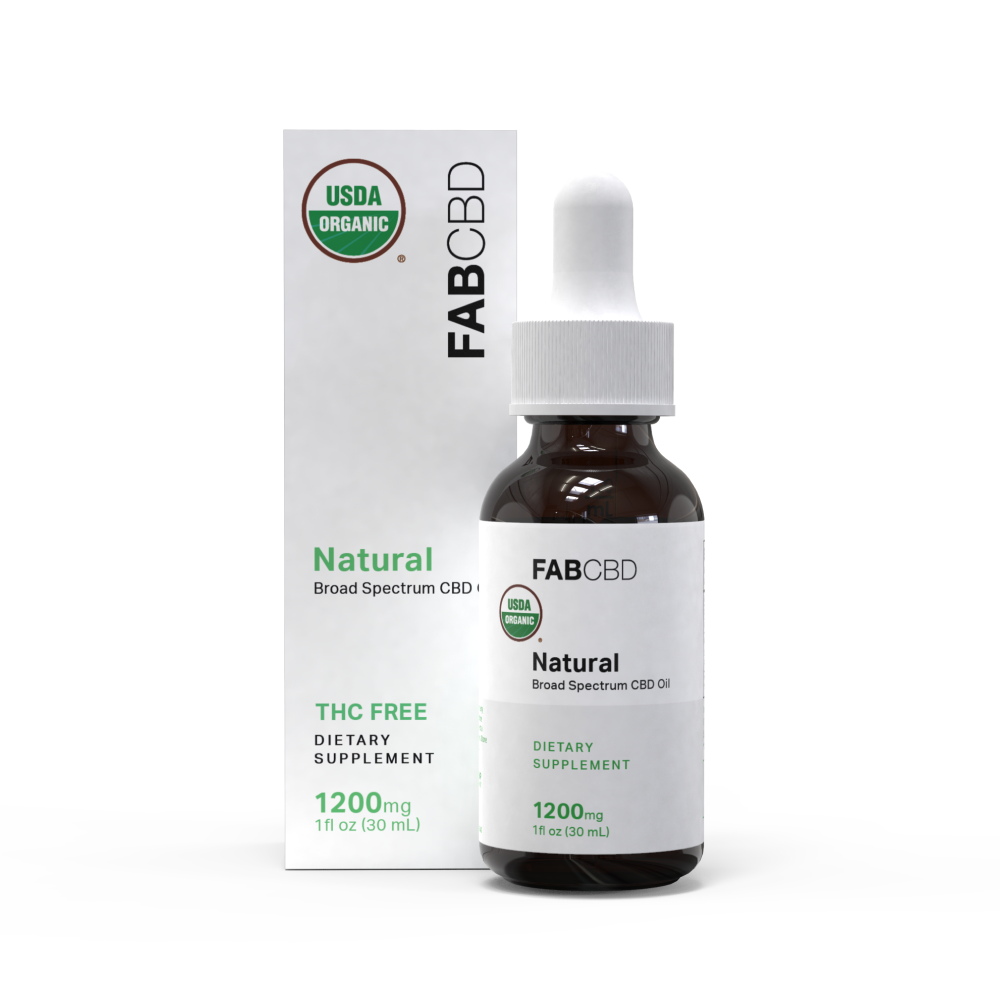
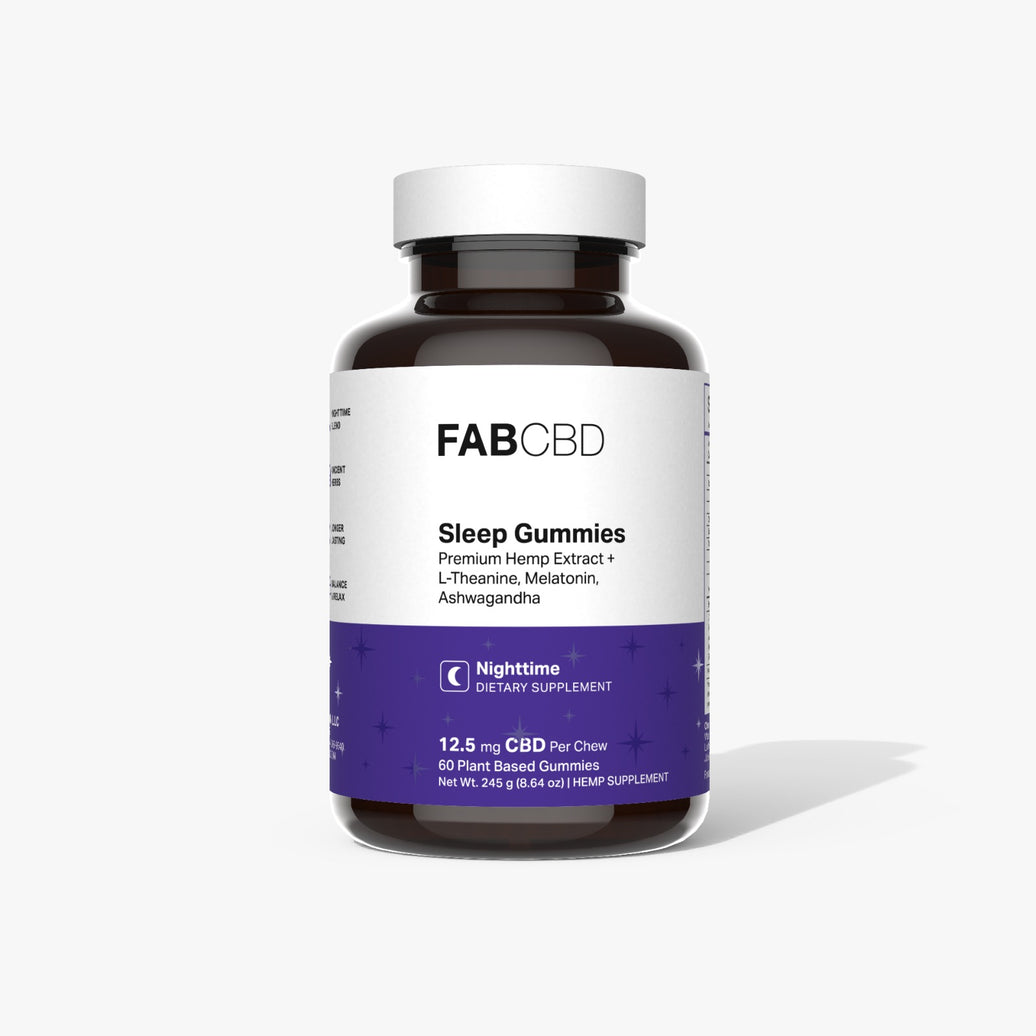
A quality CBD product is one you can verify recent batch COA, clear sourcing and CO2 extraction, and clean safety panels for pesticides, heavy metals, and residual solvents.
CBD labels look confident, but you’re left guessing what’s real. We’ll walk you through the exact checklist we use, starting with the certificate of analysis (COA), then hemp sourcing, CO2 extraction, full spectrum vs broad spectrum vs CBD isolate, ingredients, and simple label math.
What does “quality” mean for CBD products?
Quality means verified identity, verified safety, and consistent formulation based on lab evidence, not marketing claims. Identity means the cannabinoids match the label. Safety means the product tests clean for common contaminants. Consistency means the next bottle matches the last one because the process is controlled. Hemp matters here because it can pull things from the soil, and extraction can concentrate whatever was in the plant.
What is the fastest checklist to choose a quality CBD product?

Use a five-step check: hemp source, extraction method, spectrum type, COA match, and ingredients.
Here’s the quick version you can screenshot:
- Hemp source (look for clear “organically grown hemp” info)
- CO2 extraction (avoid vague “solvent extraction” wording)
- Spectrum (full spectrum, broad spectrum, or CBD isolate)
- COA (recent date + batch match + safety panels)
- Ingredients (simple carrier like MCT oil + clear flavoring)
Verify the hemp source (where it’s grown)
A clear hemp source matters because hemp can absorb what’s in the soil, and those leftovers can end up in the extract. Look for brands that clearly state organically grown USA hemp and show clean safety testing. If a site won’t say where hemp comes from, treat that as a red flag.
Look for CO2 extraction (and avoid vague “solvent extraction” phrasing)
CO2 extraction is a cleaner method because it pulls cannabinoids without leaving solvent residue behind. In plain terms, CO2 can separate what you want (cannabinoids) from what you don’t, and it doesn’t leave “chemical leftovers” in the same way some solvent methods can if processing is sloppy.
Choose the right spectrum for your comfort level (full vs broad vs isolate)
Spectrum is the cannabinoid “mix,” and your best choice depends on how comfortable you are with trace THC.
- Full spectrum: CBD plus other hemp compounds, including trace THC within legal limits.
- Broad spectrum: CBD plus other compounds, with THC removed to non-detectable levels on the lab report.
- CBD isolate: very high-purity CBD with other compounds removed.
Rule: the label must match the COA. If the label says THC-free, the COA must show THC as ND with a clear testing limit (more on that below). Also, if you choose a THC-free product, however, it is not guaranteed that you will pass a drug test after consuming this product.
Audit the COA (date, batch, safety panels)
A COA is only useful if it matches your product batch and includes both potency and contaminant panels.
Check these fast:
- COA date: recent is better than years-old
- Batch/lot number: must match the product you’re holding
- Potency panel: cannabinoids listed with numbers
- Safety panels: pesticides, heavy metals, residual solvents listed as Pass/ND where appropriate
Check the carrier oil and ingredients
Simple ingredients make quality easier to verify, and a stable carrier like MCT can keep the formula consistent over time. For tinctures, you’ll often see MCT oil as the carrier. Look for a short ingredient list, clear flavor naming, and no mystery blends.
How do you read a CBD Certificate of Analysis (COA) without getting lost?
A COA is a batch lab report you use to confirm potency and screen for contaminants.
How to check potency quickly (and what “Total CBD” should do)
Potency quality means the numbers on the COA line up with the label, without major gaps. Small differences can happen across batches, but big shortfalls are a real warning sign. Scan for CBD listed in mg/mL or percent, and compare it to what the label claims.
What “ND” means and why LOQ matters for THC-free claims
ND means “not detected,” and LOQ is the lowest amount the lab can reliably measure. Here’s the easy way to read it: ND is only meaningful when the COA also shows the lab’s limit. If the limit is high, “ND” can still hide tiny amounts under that cutoff.
Which safety panels must be there (minimum standard)
A complete COA includes panels for pesticides, heavy metals (lead, arsenic, cadmium, mercury), and residual solvents. These panels exist because contaminants don’t show up on the front label, and they matter most when hemp and extracts are concentrated.
Is CO2 extraction actually “better” for quality, and why?
CO2 extraction is preferred because it’s selective and doesn’t leave solvent residue behind when done correctly.
CO2 vs ethanol: what changes in taste, terpenes, and cleanup steps?
Ethanol can pull more plant material like chlorophyll, which can change taste and require extra cleanup that can strip minor compounds. This doesn’t mean ethanol is “bad,” but it raises the importance of a strong COA and clean processing.
What “winterization” is and why the residual solvents panel matters
Winterization removes waxes from the extract, and the residual solvents panel confirms cleanup was done properly. Even if a product uses CO2 extraction, some refinement steps can involve alcohol, so the lab panel is the proof that nothing unwanted is left behind.
Which label details matter most when you’re comparing CBD products?
Potency clarity, ingredient transparency, and matching COA and batch info matter more than buzzwords.
How to interpret strength (mg per bottle vs mg/mL)
Mg per bottle tells total CBD, while mg/mL tells concentration, and you need both to compare fairly. Example: A 30 mL bottle with 900 mg total CBD equals 30 mg/mL. That single number makes comparing two tinctures much easier.
Ingredient list: what to prefer (simple carriers + natural flavoring)
A short ingredient list with a clear carrier like MCT and clear flavor naming is easier to verify and compare. When ingredients are vague or overloaded, it becomes harder to match what you’re buying to what the COA proves.
“Full spectrum” and “THC-free” wording: what you should confirm
Confirm spectrum claims on the COA by checking the THC line and the ND status. If the COA doesn’t show THC clearly, the label claim is not verifiable.
What are the biggest red flags that a CBD product may not be of quality?
The biggest red flags are missing evidence, mismatched batch info, incomplete safety panels, and vague processing claims.
- No certificate of analysis (COA)
- COA is not batch-specific
- COA is old or has no date
- The batch/lot number doesn’t match
- Missing pesticides, heavy metals, or residual solvents panels
- Vague “solvent extraction” wording
How do we make it easy for you to verify quality?
We make verification simple by providing batch lab reports and keeping our sourcing and processing details clear.
Where to find our lab reports (and what to check first)
Start with the COA date and batch match, then scan potency and the three safety panels. That order keeps you focused on the evidence, not the marketing.
How to choose a spectrum in our lineup (full/broad/isolate) based on comfort level
Choose full spectrum for a “whole hemp” profile, broad spectrum for THC removed on the report, or CBD isolate for high-purity CBD with other compounds removed.
If you choose a THC-free product*, however it is not guaranteed that you will pass a drug test after consuming this product.
Frequently Asked Questions
How do I know if a CBD product is high quality?
High quality means the label matches a recent batch COA, the lab is credible, and safety panels show clean results for pesticides, heavy metals, and residual solvents.
What should a CBD Certificate of Analysis (COA) include?
A complete COA includes potency results plus contaminant panels for pesticides, heavy metals, and residual solvents, with a clear date and batch ID.
What does “ND” mean on a COA, and what is LOQ?
ND means not detected, and LOQ is the lowest amount the lab can measure reliably, so ND only makes sense when the COA also shows the lab’s limit.
What’s the difference between full spectrum, broad spectrum, and isolate?
Full spectrum includes trace THC within legal limits, broad spectrum removes THC to non-detectable levels on the COA, and CBD isolate is high-purity CBD with other compounds removed.
*This statement has not been evaluated by the Food and Drug Administration. This product is not intended to diagnose, treat, cure, or prevent any disease