CBD Softgels
 CBD Gummies
 CBD Cream
If you've been curious about CBD but aren't sure where to start, you're not alone. CBD has moved from the fringes of wellness into mainstream conversations. Yet most people still have basic questions about what exactly it is. Where does it come from? Will it get me high? And does it actually do anything?
This beginner-friendly guide explains what CBD is, how CBD works, and the CBD basics every first-time consumer should understand before choosing a product.
What Is CBD?
Cannabidiol, or CBD, is a naturally occurring compound found in the dry herb plant. It belongs to a class of compounds called cannabinoids, and it's one of over 100 identified so far. The most well-known cannabinoid is THC (tetrahydrocannabinol), which is responsible for the psychoactive 'high' associated with marijuana. CBD is different.
CBD is non-intoxicating. It does not produce a high, impair your cognition, or alter your perception. That distinction matters, and it's a big reason why hemp-derived CBD products became federally legal in the United States with the passage of the 2018 Farm Bill, provided they contain no more than 0.3% THC by dry weight.
FAB CBD's best products are all sourced from Colorado-grown, non-GMO hemp and contain no more than 0.3% THC, which is fully compliant with federal law.
Where Does CBD Come From?

One reason CBD can feel confusing to first-time consumers is that hemp, dry herb, hemp seed oil, CBD oil, full-spectrum, and broad-spectrum are often used interchangeably. They're not the same thing, and understanding those differences can make shopping for CBD much easier.
Hemp is cultivated to have high CBD content and minimal THC. All legal CBD supplements, including every product in the FAB CBD lineup, are derived from hemp.
Once hemp is harvested, it goes through an extraction process, commonly CO₂ extraction, which helps preserve the plant's natural cannabinoid and terpene profile. Understanding how CBD is sourced and extracted can help you make more informed purchasing decisions.
CBD Basics: The Three Product Types
Terms like full-spectrum, broad-spectrum, and CBD isolate can feel confusing at first, especially if you're new to CBD.
Full-Spectrum CBD
It contains CBD along with all other cannabinoids, terpenes, and trace amounts of THC (≤0.3%) naturally present in the hemp plant. These compounds work together in the 'entourage effect'. It’s a synergy where the whole may be more effective than any single compound alone.
Broad-Spectrum CBD
It is similar to full-spectrum but with THC removed through an additional processing step. It retains other cannabinoids and terpenes, making it a good choice for people who want the entourage effect benefits without any THC.
CBD Isolate
It is pure cannabidiol with everything else removed. It contains no THC, no other cannabinoids, and no terpenes. It is just CBD in its isolated form. It's the most straightforward option if you want to avoid all other dry herb compounds.
At FabCBD, we believe informed consumers make better decisions. That's why we prioritize transparency, third-party testing, and educational resources that help people better understand hemp-derived wellness products.
How CBD Works: Understanding the Endocannabinoid System
To understand how CBD works in the body, you need to know about the endocannabinoid system (ECS). This is a biological signaling system present in virtually every human being. It was first discovered in the 1990s and is believed to play a regulatory role in many of the body's core functions.*
|
ECS Component |
Description |
|
Endocannabinoids |
Natural cannabinoid-like molecules produced by the body, including anandamide and 2-AG. |
|
Receptors |
CB1 receptors (brain and nervous system) and CB2 receptors (immune system and peripheral tissues). |
|
Enzymes |
Proteins that break down endocannabinoids after use. |
Together, the ECS is believed to play a role in regulating mood, sleep, appetite, immune function, and other physiological processes.* Researchers believe the ECS plays an important role in helping the body maintain internal balance, a concept often referred to as homeostasis.*
Which CBD Product Type Is Right for You?
Once you understand the basics of CBD, the next question is format. Here's a quick breakdown of common product types and their use cases:
CBD Oil (Tinctures)
When taken sublingually (under the tongue), oils tend to be absorbed faster, typically within 15–45 minutes. Good for flexible dosing.
CBD Gummies
Our CBD Gummies are pre-dosed and easy to incorporate into a routine. Onset is slower (30–90 minutes) because they pass through the digestive system, but effects last longer.
CBD Softgels/Capsules
Similar to gummies in onset and duration. Ideal if you prefer a supplement-style format with no taste.
CBD Topicals (Creams & Salves)
It is applied directly to the skin. These don't enter the bloodstream significantly; they work locally. Commonly used for targeted muscle or joint support.*
Popular CBD Formats at FabCBD
CBD Oil
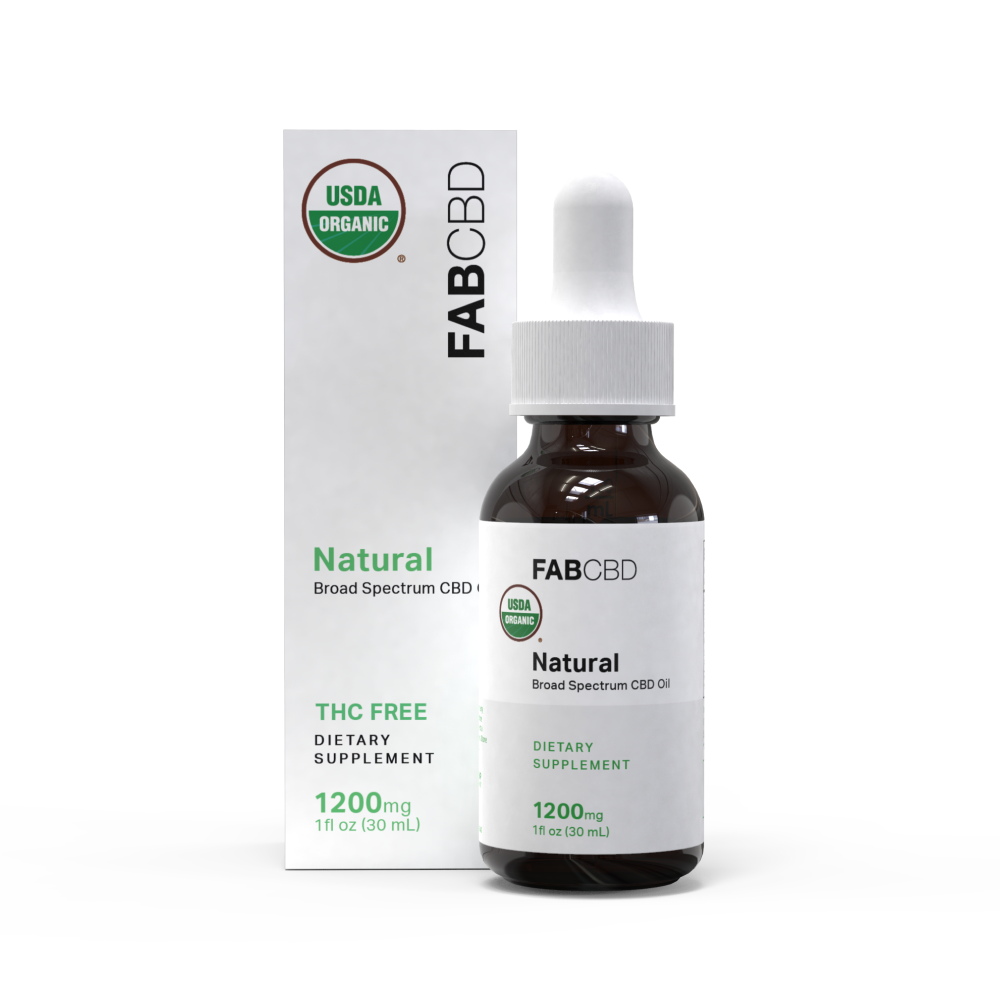
FabCBD CBD Oil is available in multiple strengths and flavors, making it a flexible option for consumers who prefer adjustable serving sizes.
CBD Gummies
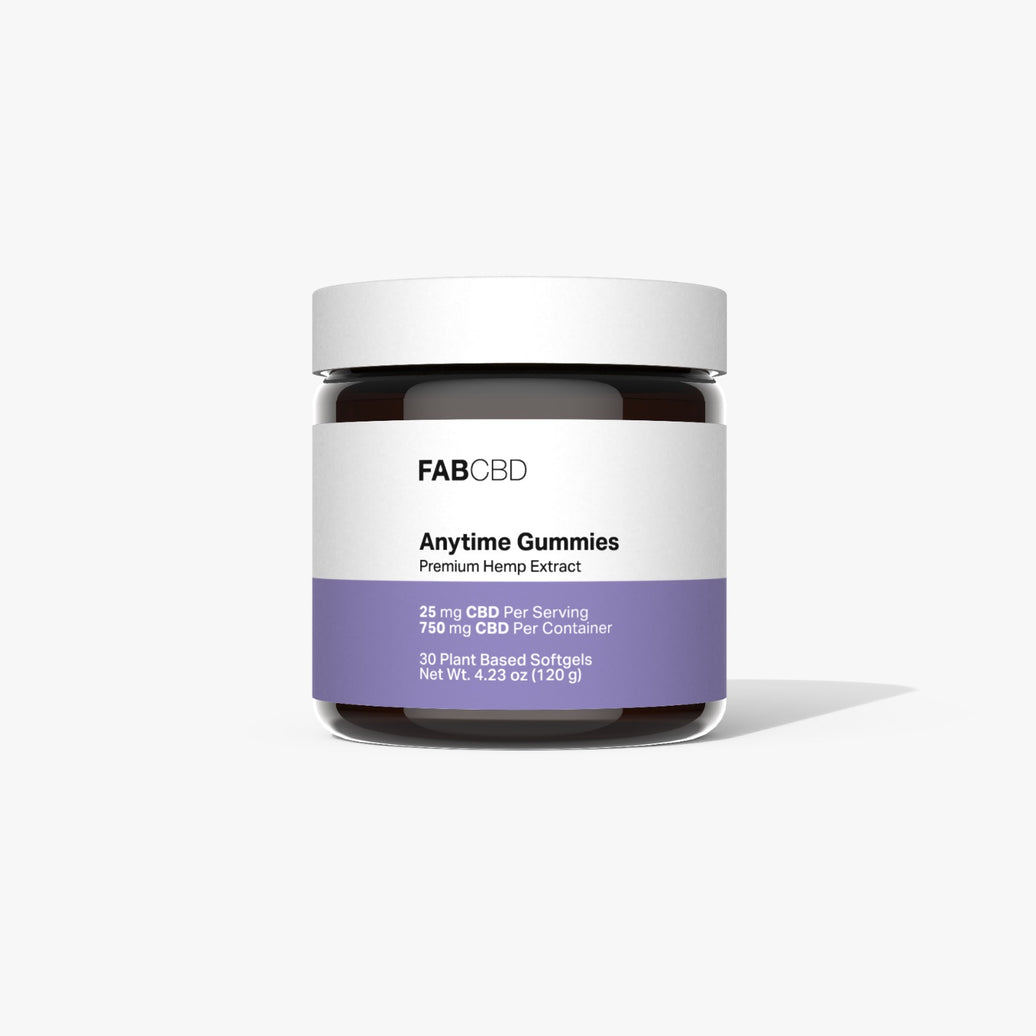
FabCBD Anytime Gummies provide a convenient, pre-measured format that's easy to incorporate into a daily wellness routine.*
Complete Cannabinoid Softgels
Made with equal parts CBD, CBG, CBC, and CBN, Complete Cannabinoid Softgels offer a convenient way to explore multiple cannabinoids in one product.
How to Start: Practical CBD Basics
If you're new to CBD, start low and go slow. Many consumers choose to start with a smaller serving size and gradually adjust based on their individual experience and the product instructions. Consistency may help consumers better evaluate how CBD fits into their wellness routine.*
Look for products that offer a Certificate of Analysis (COA) from a third-party lab. This confirms the CBD content is accurate and that the product is free from pesticides, heavy metals, and residual solvents. Every FAB CBD product is third-party tested, and all COAs are available on the website.
FAQs
Is CBD intoxicating?
No. It does not bind to CB1 receptors in the way THC does, so it produces no psychoactive effects.* Hemp-derived CBD products must contain no more than 0.3% THC by law.
Is CBD legal?
Hemp-derived CBD with less than 0.3% THC is federally legal in the United States under the 2018 Farm Bill. State laws vary, so it's worth checking your local regulations if you have concerns.
How long does it take for CBD to work?
It depends on the format. Oils taken sublingually typically take 15–45 minutes. Gummies and capsules, which are digested, take 30–90 minutes. Topicals work locally within 20–40 minutes of application.
What's the difference between full-spectrum and broad-spectrum CBD?
Full-spectrum CBD contains all cannabinoids, including trace THC, while broad-spectrum CBD retains beneficial cannabinoids and terpenes without THC. CBD isolate contains only CBD and does not benefit from the entourage effect.
How much CBD should a beginner take?
A common starting point is 10–25mg per day. Start at the lower end; maintain that dose for 5–7 days. CBD may affect individuals differently depending on factors such as body weight, metabolism, and overall lifestyle.
Is CBD oil the same as hemp oil?
No. Hemp oil is pressed from hemp seeds and contains little to no CBD. CBD oil is extracted from the flowers, leaves, and stalks of the hemp plant, where cannabinoids are concentrated.
* This statement has not been evaluated by the Food and Drug Administration. This product is not intended to diagnose, treat, cure, or prevent any disease.