CBD Softgels
 CBD Gummies
 CBD Cream
If two bottles have the same CBD mg, do Natural flavor and Citrus flavor feel the same?
CBD oil flavor can change “how well it works,” mostly because it can change how long we keep the oil under the tongue and how botanical flavor compounds like terpenes behave during sublingual absorption (absorption through the tissue under the tongue).
In this guide, we’ll keep it simple and practical. We’ll explain the absorption route, what terpenes are in plain words, and why hold time is the real-world detail that often changes the experience, especially when a taste is easy to tolerate vs hard to tolerate. We focus on clear product details and straightforward guidance, so you can make a choice based on facts, not big promises.
Does CBD oil flavor affect how well it works?
Yes, the flavor of CBD oil can matter, but not because it changes the CBD mg in the bottle. Flavor matters because it can affect conditions surrounding sublingual absorption and how consistently we follow the same dosing method from day to day.
When we say “works,” we mean practical things people notice: the perceived onset (how quickly we notice it), the consistency (how similar it feels across days), and how easy it is to stick with the same routine without rushing or changing the method.
The 3 ways flavor can change the experience
- Absorption mechanics: Flavor compounds can interact with the oral mucosa (the tissue under the tongue), which is part of the sublingual absorption pathway.
- pH + saliva effects: Some flavors change saliva levels and mouth pH, which can raise the chance of a “washout” (swallowing sooner than planned).
- Compliance: Flavor affects hold time, how long we keep the oil under the tongue before swallowing.
What does “natural flavors” in CBD oil actually mean?

Natural flavors are usually complex plant-based extracts, not one single chemical. In many products, “natural flavors” can come from essential oils or botanical extracts, which contain multiple aroma and taste compounds that work together.
That matters because these extracts can include terpenes and other aromatic compounds. In plain words, some flavor ingredients can do more than taste nice; they can also interact with the mouth environment during sublingual absorption.
Natural flavors vs terpenes
- Terpenes: Single aroma molecules found in plants. A common example is limonene.
- Essential oils: Whole plant oils that contain terpenes plus other plant compounds.
- Natural flavors: A broader label that can include essential oils, extracts, and mixed compounds, so the exact mix can be more complex than “one terpene.”
Why the sublingual method is where flavor matters most
Flavor matters most when we take CBD oil under the tongue because the flavor compounds and the CBD are sitting in the same oil base at the same time, in the same place. That shared “oil environment” can affect how the mixture behaves on the oral mucosa, where sublingual absorption occurs.
If we swallow right away, flavor still affects taste, but it has less opportunity to influence the “under the tongue” part of the method, because that part barely happens.
Hold-time is the “hidden variable” most people miss
Our practical rule is simple: hold CBD oil under the tongue for 60 seconds. Some research and dosing advice in the wider CBD space uses longer holds, but the main idea stays the same: more time under the tongue usually means more opportunity for sublingual absorption.
This is where flavor becomes very real. If a flavor is pleasant, it’s easier to hold for the full 60 seconds. If a flavor tastes bitter or sharp to us, it’s easy to swallow early without thinking. That small change can shift the method from “mostly under the tongue” to “mostly swallowed.”
Citrus and mint flavors can change the absorption environment
Some plant aroma compounds are known for interacting with oily layers. A simple way to think about it: certain terpenes can mix into lipid layers and may make them “looser,” which can theoretically allow faster movement of other oily compounds across the oral mucosa.
For Citrus flavor, the terpene most people talk about is limonene. For Mint flavor, the common standout is menthol. The keyword is can, these effects are not a promise, and the real-world difference can be subtle. Still, it explains why two bottles of equal strength can feel slightly different for some people when used under the tongue.
Saliva and acidity can help or not
Flavor can change how much saliva our mouth makes. Tart flavors can make saliva increase quickly. More saliva can raise the chance we swallow sooner, especially if we start moving the oil around.
A few practical tips keep the method consistent:
- Keep the oil under the tongue; do not swish it around the mouth.
- Stay still while holding it.
- Breathe through the nose during the hold.
- Try not to talk during the 60 seconds.
Do different flavors “work differently” if CBD strength is the same?
If the CBD mg is the same, the amount of CBD is the same, but the delivery conditions can change. That’s why people may notice differences in perceived onset and consistency across flavors, even when the label strength matches.
Natural flavor as the baseline
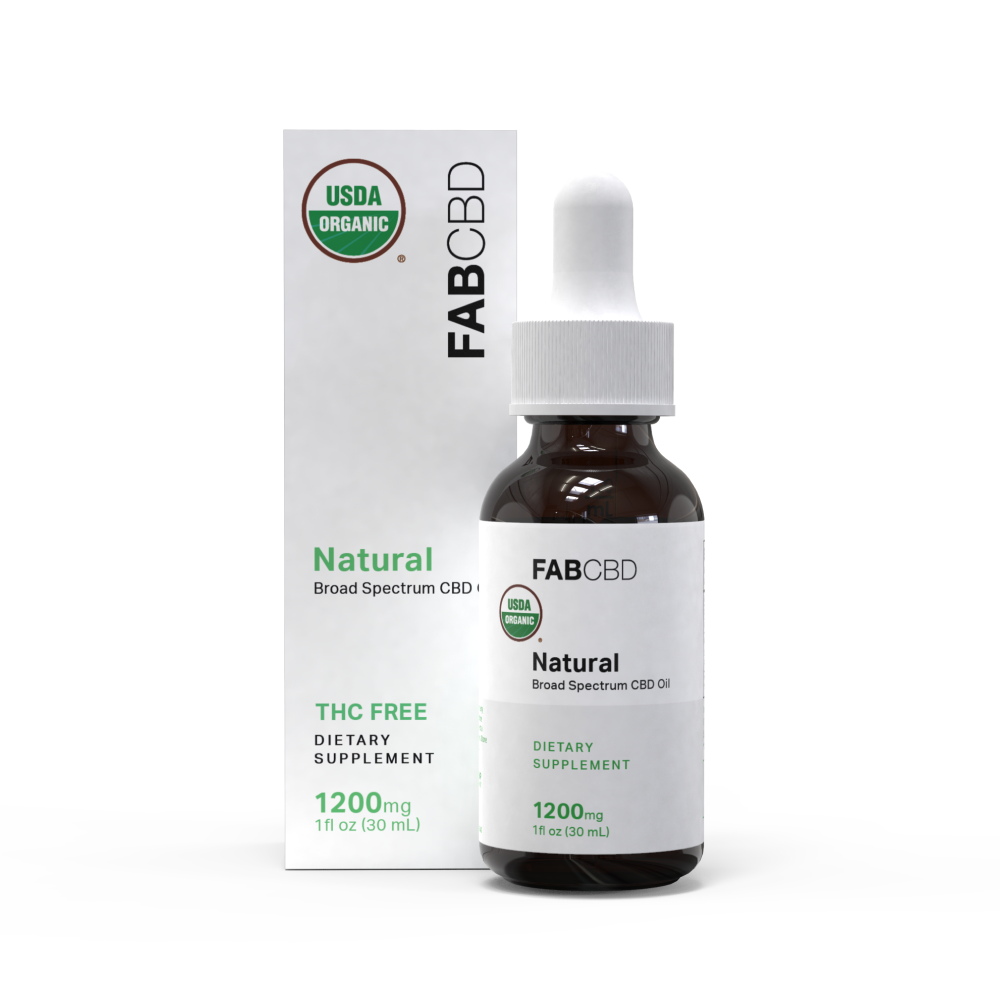
Natural flavor
Natural flavor is often the simplest version because it usually has fewer added flavor ingredients. It can feel like a good “baseline” choice when we want fewer variables in the formula. The tradeoff is taste. Full-spectrum oils can taste earthy or bitter. If that taste makes us shorten hold time, the method can change without us meaning to.
Citrus flavor
Citrus flavor often includes botanical notes linked with limonene. In theory, a limonene-rich profile may alter the “under the tongue” environment, thereby affecting sublingual absorption. The effect is not guaranteed, but it is one reason Citrus and Natural can feel a bit different for some people.
Mint flavor
Mint flavor is commonly linked with menthol and related plant aroma compounds. Mint can also change the mouthfeel and the oil's feel. As with Citrus, the key point is that botanical flavor compounds may influence the oral mucosal interface during the hold.
Berry and vanilla
Berry and Vanilla flavors often win in terms of simple palatability. If a flavor makes the routine easier to repeat, we are more likely to hold for the full 60 seconds and maintain consistency in the method. Over time, consistency can matter more than the flavor chemistry itself.
How do we choose the best CBD oil flavor for our goal?
Choose the flavor we can hold under the tongue for a full minute and use consistently. That’s the easiest way to keep sublingual absorption as the primary route rather than accidentally switching methods.
Use a simple 3-question decision rule
- Can we hold it for 60 seconds without rushing?
- Does the flavor trigger excess saliva for us?
- Will we realistically take it daily/weekly without skipping?
If taste is the problem, fix the method before changing the dose
If the taste makes us swallow early, the first fix is the method, not the CBD mg. Keep the oil under the tongue for 60 seconds, avoid swishing, and keep the routine consistent for a week before changing anything else.
Quick checklist
The best method is the one that we can repeat the same way each time with correct sublingual timing. Small method changes can create big “it felt different” days.
5-step sublingual technique
- Measure the dose.
- Place the oil under the tongue (not on top).
- Hold for 60 seconds.
- Avoid swishing or talking to reduce saliva.
- Swallow after the hold, then wait a few minutes before drinking water.
Frequently Asked Questions
Does flavored CBD oil work the same as unflavored?
Flavored and unflavored oils can have the same CBD mg, but the experience can differ. Flavor can change hold time and the mouth environment during sublingual absorption. If a taste makes us swallow early, the method changes, and results can feel less consistent.
How long should we hold CBD oil under the tongue?
A simple rule is 60 seconds under the tongue. That gives the oral mucosa time to interact with the oil for sublingual absorption. Longer holds are sometimes used in general dosing advice, but consistency matters most for comparing day to day.
What happens if we swallow CBD oil right away?
Swallowing right away means less time for sublingual absorption. More of the dose follows the standard swallowed route rather than remaining under the tongue. That can change perceived onset and make the routine harder to compare across flavors.
Is “natural flavors” in CBD oil the same as terpenes?
Not exactly. Natural flavors are often mixtures of botanical extracts that can contain terpenes and other aroma compounds. Terpenes are single aromatic molecules, such as limonene. So “natural flavors” can include terpenes, but it’s broader.
Which CBD oil flavor is best for beginners?
The best starter flavor is the one we can tolerate for the full 60-second hold under the tongue. If Natural flavor feels too bitter, Vanilla, Berry, Citrus, or Mint can make the routine easier to repeat and keep dosing consistent.
These statements have not been evaluated by the Food and Drug Administration. This product is not intended to diagnose, treat, cure, or prevent any disease.*