CBD Softgels
 CBD Gummies
 CBD Cream
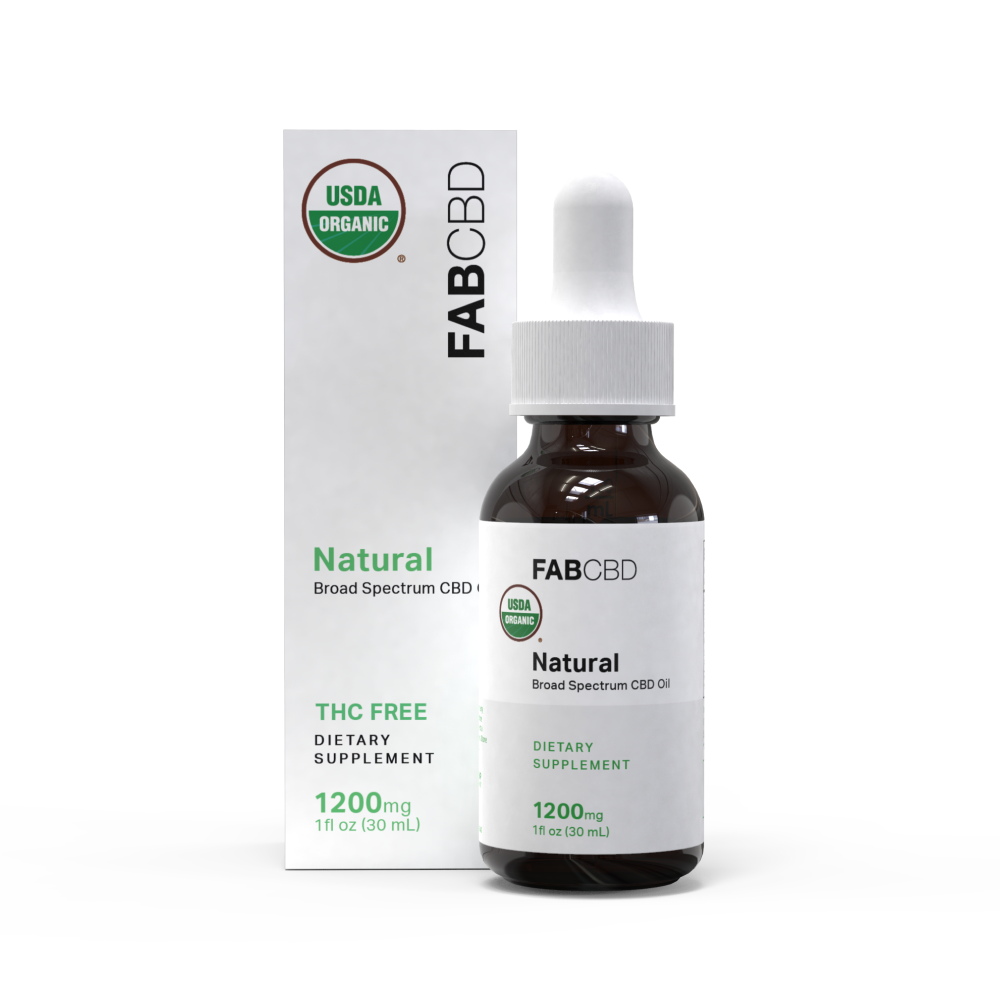
Shopping for CBD online feels like the wild west sometimes, doesn't it? There’s no one-size-fits-all label or solid guarantee, at least not yet. So if you want the best, you have to do a little homework. The good part? You don’t need to be a lab tech or chemist, you just need a smart checklist and a few minutes.
This guide’s all about five key tips that help you buy quality CBD products, no matter the brand. You’ll start by checking where the hemp comes from, see how the CBD gets extracted, read the real lab report (the COA), make sure the formula’s clear, and, last but not least, look into the brand’s reputation. Basically, choose products based on facts, instead of flashy marketing.
Why bother with a CBD “quality audit”?

Because, honestly, it’s not due to every brand being dishonest, it’s just that rules don’t force CBD to go through the same checks that aspirin, for example, must. That means, for now, you need to look for proof yourself.
Mislabeling and contamination do happen, so the best move is to double-check real quality markers: things like lab reports, where the hemp’s grown, and proof that what’s on the label matches what’s in the bottle.
One quick legal note that sets the landscape: Since the 2018 Farm Bill, hemp is federally legal if it’s under 0.3% delta-9 THC by dry weight. But, this law didn’t put a “pre-approval” rule in place for every CBD edible or oil. So it’s up to you to spot the good stuff.
How do you know if a CBD brand is legit?
Legit CBD brands don’t hide their homework; they show you batch-specific COAs (third-party lab reports), break down where the hemp came from, and list exactly what’s in each product. If you can’t find the lab report, if they’re cagey about hemp origins, or the label contains nothing but marketing speak without facts, that’s a clear cause for suspicion. Move forward.
Tip 1: Check Hemp Sourcing and Farming
Quality in means quality out, it’s really that simple. Clean hemp leads to a cleaner end product. Here’s why: hemp’s an absorber. It pulls up stuff from the soil, so if the dirt’s contaminated with heavy metals or pesticides, the plant can be too. Your job is to filter with your eyes.
What should you look for on a website?
- They name exactly where the hemp’s grown not just “globally sourced.”
- They spell out their farming standards (what they do and don’t use).
- They provide a COA (lab report) that tests for contaminants.
Does “organically grown” mean USDA Organic?
Not always. “Organically grown” points to using organic-like practices, not necessarily USDA Organic, because that’s a certified program with strict checks. Here’s an easy shortcut: look for a pesticide panel on the COA. If pesticides didn’t show up, you’ve got solid proof.
What’s a strong sourcing signal look like?
When a brand names the hemp origin in detail (“U.S.-grown,” plus region or farm standards) and backs that up with clean COAs, you know they’re not just making things up. The story lines up with the lab numbers.
Tip 2: Pick a Clean Extraction Method
This is the step that turns raw hemp into the CBD you consume. The main extraction methods you’ll see are:
- CO2 extraction (clean, solvent-free, and widely respected)
- Ethanol extraction (uses alcohol; can be great, but only with good filtering)
- Unclear or super-cheap methods (at best, a red flag if they won’t say what they use)
Most people look for supercritical CO2 extraction because it’s known for without leaving harmful solvents behind and producing a pure end product. If a brand won’t tell you how it processes its CBD, walk away.
Is CO2 extraction better than ethanol extraction?
CO2 extraction is usually the top pick, because you don’t have to worry about solvent leftovers. Ethanol extraction can work, but only if the brand filters well, otherwise, you might get more than you bargained for.
Tip 3: Carefully review the Lab Report (COA)
The COA is your best friend in the CBD world. It’s a third-party lab report that tells you what’s in your CBD, what isn’t, and whether the batch is clean.
Here’s your quick COA checklist:
- Does the batch number on the COA match your product?
- Potency: Is the amount of CBD per serving visible, and does it match the label?
- THC: What does it say, and does it note “ND” (not detected) if it’s low?
- Contaminants panel: Does the COA check for heavy metals, pesticides, microbes, and solvents?
The best COAs come from independent, accredited labs (look for ISO/IEC 17025). If you can’t see a lab name or the accreditation, that’s not a great sign.
What does “ND” mean on a CBD lab report?
ND stands for “non-detect” (basically, the lab couldn’t find that compound above its detection limit). It doesn’t mean absolutely zero, but it means nothing meaningful was found.
What about “ISO/IEC 17025-accredited”?
That’s a quality stamp. It means the lab uses recognized methods and has checks in place, so the results are something you can trust.
Tip 4: Make Sure the Formula’s Crystal Clear
CBD per serving should be obvious, not hidden in fine print. Look for:
- A clear label: Is this CBD isolate, broad spectrum, or full spectrum?
- Is the carrier oil named (for oils, this matters)?
- No “proprietary blend” labels that hide the real amounts.
Brands that explain why they chose a specific spectrum or formula are usually more serious about quality, not just mixing stuff together.
What’s the difference between isolate, broad spectrum, and full spectrum?
- CBD isolate: Pure CBD with everything else stripped away.
- Broad spectrum: CBD with other “goodies” from the plant, but THC at non-detect levels.
- Full spectrum: CBD with other cannabinoids, plus THC (still under 0.3% delta-9 THC to stay legal).
Can CBD labeled “THC-free” still contain THC?
Sometimes, yes. Labels may be unclear, especially with no clear oversight. Always check the COA for THC numbers. But fair warning: there's never a 100% guarantee for drug tests, even with “THC-free” products.
Tip 5: Dig into Brand Reputation
Reputation is harder to fake over time. Good brands make it easy for you to get info and get help.
Look for:
- A straightforward return policy
- Real customer support (not just a generic form)
- Honest reviews, not just perfect ones
- Clarity about pricing and memberships
Where to buy: Amazon vs. the brand’s own site?
You’ll get more detail, and you can usually find COAs and policies more easily, on a brand’s own website, like here at FABCBD. Marketplaces are convenient, but the info can be spotty. Always pick the place where you can do your homework.
Quick “5-Tip” Buyer Checklist
- Check hemp sourcing: Look for origin and farming practices and back it up with a clean pesticides panel.
- Look for clean extraction: Make sure the extraction method is clear (CO2 is best).
- Read the COA: Make sure the batch matches, and review potency and contaminant tests.
- Confirm formula clarity: Check for clear label (type, amount, carrier oil).
-
Verify the brand's reputation: Real policies, support, and transparency.
|
Tip |
What to check |
Proof to look for |
|
Hemp sourcing |
Clear origin + farming info |
Site details + clean pesticides panel |
|
Clean extraction |
The method is named |
CO2 extraction is listed clearly |
|
COA testing |
Batch match + full panels |
COA, ISO/IEC 17025, contaminants |
|
Formulation clarity |
Dose + spectrum + base |
CBD per serving, isolate/broad/full, carrier oil |
|
Reputation |
Policies + support |
return policy, support options, transparent info |
Three-minute workflow: Open the product page, find the COA, match the batch number, scan potency and THC (“ND”?), check contaminant panels, then make your call.
Frequently Asked Questions
How do you know a CBD brand is legit?
They give you a COA specific to your batch, explain where their hemp comes from, and clearly list the CBD per serving and spectrum. If that’s missing, skip it.
What should a good Certificate of Analysis (COA) include?
CBD and THC potency, batch number, and tests for heavy metals, pesticides, microbes, plus solvents.
What’s “ND” (non-detect) mean on a COA?
The lab didn’t find that compound above its detection limit. Read it as “absent for practical purposes,” not “absolute zero.”
What’s the difference between isolate, broad spectrum, and full spectrum CBD?
Isolate is just CBD. Broad spectrum is CBD plus other plant stuff, but usually no THC. Full spectrum is CBD with trace THC (under 0.3% delta-9 THC).
*This statement has not been evaluated by the Food and Drug Administration. This product is not intended to diagnose, treat, cure, or prevent any disease.